
Bash Commands That Save Me Time and Frustration
Bash Commands
Bash Commands That Save Me Time and Frustration
Bash Commands That Save Me Time and Frustration
 https://bryanguner.medium.com/a-list-of-all-of-my-articles-to-link-to-future-posts-1f6f88ebdf5b

Here's a Cheatsheet:
Getting Started (Advanced Users Skip Section):
 It shows that I'm working on my Desktop directory.
 Shows all of my files and directories of my Desktop directory.
 Use `ls` command to see the directory is created or not.
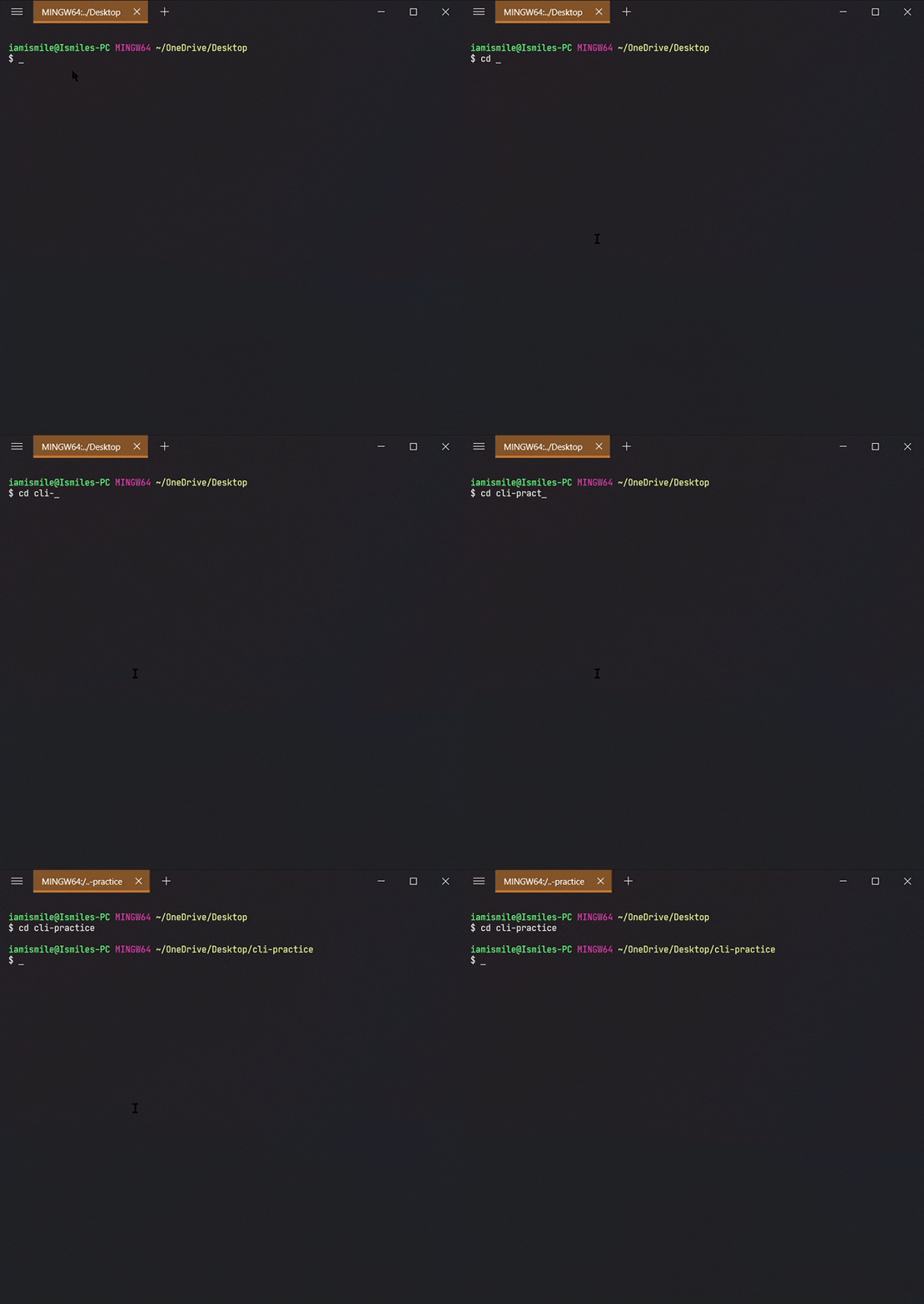 Can use `pwd` command to confirm your directory name.
 I created a hello.txt file in my current working directory. Again you can use `ls` command to see the file is created or not.
 Shows the content of my hello.txt file.
 Yes, we can use multiple directories & files names one after another to create multiple directories & files in one command.
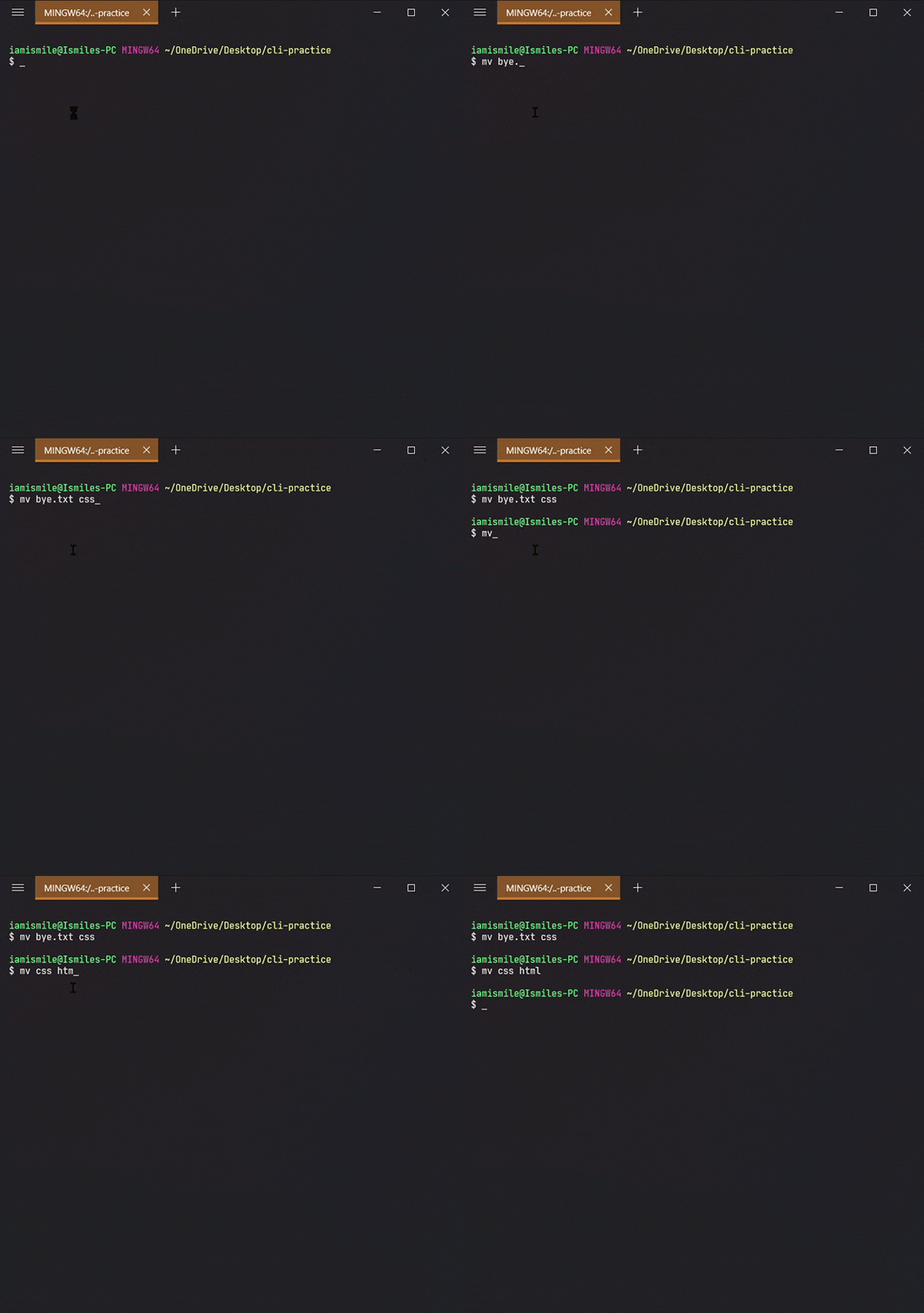 Moved my bye.txt file into my css directory and then moved my css directory into my html directory.
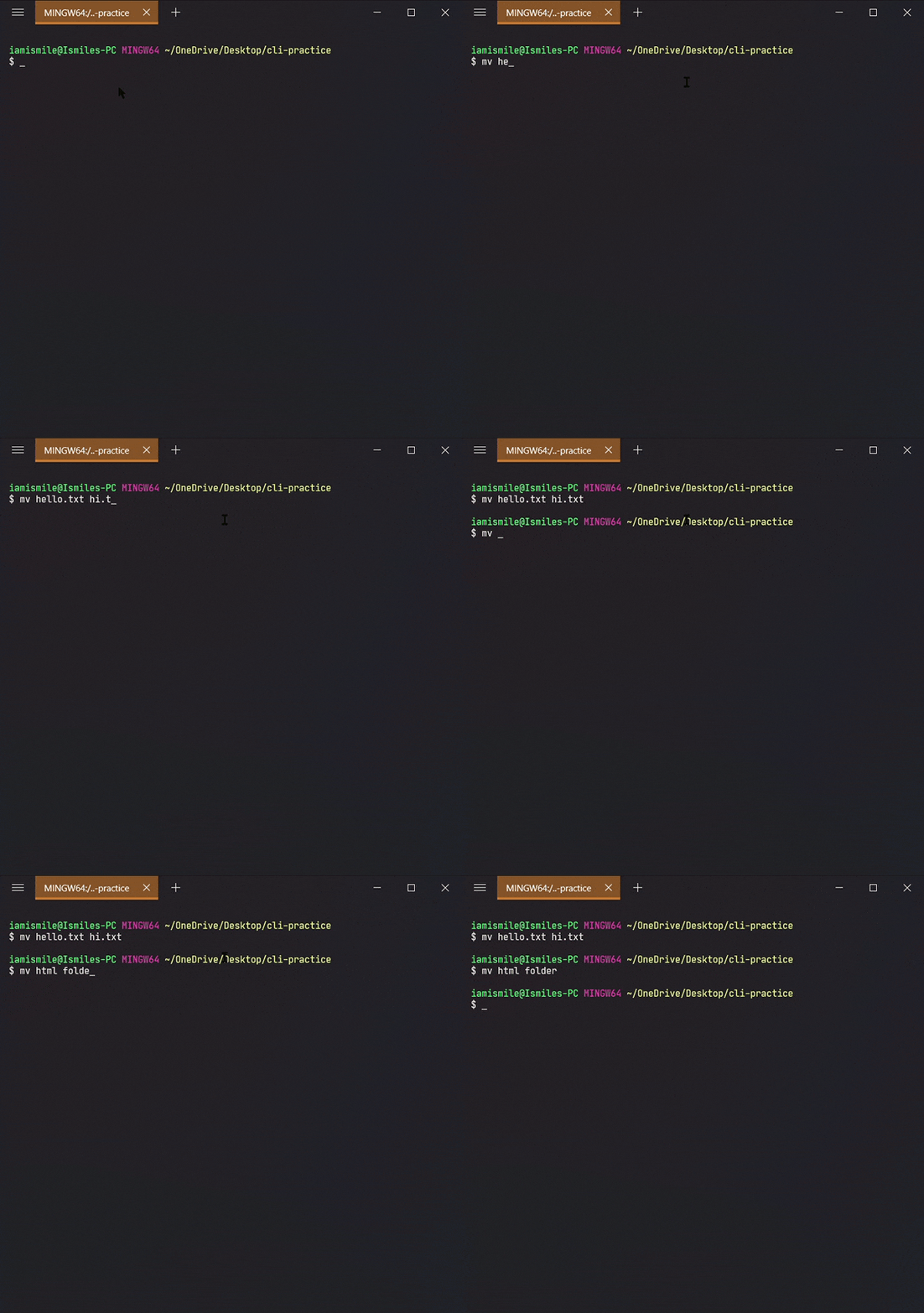 Renamed my hello.txt file to the hi.txt file and html directory to the folder directory.
 Copied my hi.txt file content into hello.txt file. For confirmation open your hello.txt file in your text editor.
 Here I copied all of the files from the folder to folder-copy.
 Here I removed my hi.txt file.
 I removed my folder-copy directory from my cli-practice directory i.e. current working directory.
MY COMMANDS:
1.) Recursively unzip zip files and then delete the archives when finished:
2.) Install node modules recursively:
3.) Clean up unnecessary files/folders in git repo:
!!!Use with caution as this command removes the attribution of the work from it's original authors!!!!!
!!!Use with caution as this command removes the attribution of the work from it's original authors!!!!!find . \( -name "*SECURITY.txt" -o -name "*RELEASE.txt" -o -name "*CHANGELOG.txt" -o -name "*LICENSE.txt" -o -name "*CONTRIBUTING.txt" -name "*HISTORY.md" -o -name "*LICENSE" -o -name "*SECURITY.md" -o -name "*RELEASE.md" -o -name "*CHANGELOG.md" -o -name "*LICENSE.md" -o -name "*CODE_OF_CONDUCT.md" -o -name "*CONTRIBUTING.md" \) -exec rm -rf -- {} +
4.) Generate index.html file that links to all other files in working directory:
 #### The result is a index.html file that contains a list of links to each file in the directory:

5.) Download all links to a files of a specified extension on a user provided (url) webpage:

6.)Recursively remove lines of text containing the string badFolder from files in the working directory.

7.) Execute command recursively:
 **Run in the folder shown to the left… we would expect every .md file to be accompanied by a newly generated html file by the same name.**


TBC….
9. Copy any text between <script> tags in a file called example.html to be inserted into a new file: out.js
10. Recursively Delete node_modules folders
11. Sanatize file and folder names to remove illegal characters and reserved words.
12. Start postgresql in terminal
13. Add closing body and script tags to each html file in working directory.
14. Batch Download Videos
15. Change File Extension from '.txt' to .doc for all files in working directory.
16. Recursivley change any file with extension .js.download to .js
17. Copy folder structure including only files of a specific extension into an ouput Folder
Discover More:
Part 2 of this series:
Resources:
1. Remove spaces from file and folder names and then remove numbers from files and folder names....
Description: need to : sudo apt install rename
sudo apt install rename2. Download Website Using Wget:
Description:
3. Clean Out Messy Git Repo:
Description: recursively removes git related folders as well as internal use files / attributions in addition to empty folders
4. clone all of a user's git repositories
Description: clone all of a user or organization's git repositories.
Generalized:
Clone all Git User
Clone all Git Organization:
5. Git Workflow
Description:
6. Recursive Unzip In Place
Description: recursively unzips folders and then deletes the zip file by the same name.
7. git pull keeping local changes:
Description:
8. Prettier Code Formatter:
Description:
9. Pandoc
Description:
10. Gitpod Installs
Description:
11. Repo Utils Package:
Description: my standard repo utis package
12. Unix Tree Package Usage:
Description:
13. Find & Replace string in file & folder names recursively..
Description:
14. Remove double extensions :
Description:
15. Truncate folder names down to 12 characters:
Description:
16.Appendir.js
Description: combine the contents of every file in the contaning directory.
17. Replace space in filename with underscore
Description: followed by replace '#' with '_' in directory name
'#' with '_' in directory name18. Filter & delete files by name and extension
Description:
19. Remove lines containing string:
Description:
20. Remove duplicate lines from a text file
Description:
21. Remove lines containing string:
Description:
22. Zip directory excluding .git and node_modules all the way down (Linux)
Description:
23. Delete files containing a certain string:
Description:
24.
Description:
25. Index of Iframes
Description: Creates an index.html file that contains all the files in the working directory or any of it's sub folders as iframes instead of anchor tags.
26. Filter Corrupted Git Repo For Troublesome File:
Description:
27. OVERWRITE LOCAL CHANGES:
Description:
28. Remove Submodules:
Description: To remove a submodule you need to:
29. GET GISTS
Description:
30. Remove Remote OriginL
Description:
31. just clone .git folder:
Description:
32. Undo recent pull request:
Description:
33. Lebab
Description: ES5 --> ES6
34. Troubleshoot Ubuntu Input/Output Error
Description: Open Powershell as Administrator...
35. Export Medium as Markdown
Description:
36. Delete files in violation of a given size range (100MB for git)
Description:
37. download all links of given file type
Description:
38. Kill all node processes
Description:
39. Remove string from file names recursively
Description: In the example below I am using this command to remove the string "-master" from all file names in the working directory and all of it's sub directories.
40. Remove spaces from file and folder names recursively
Description: replaces spaces in file and folder names with an _ underscore
_ underscore41. Zip Each subdirectories in a given directory into their own zip file
Description:
42.
Description:
43.
Description:
44.
Description:
45.
Description:
46.
Description:
47.
Description:
48.
Description:
49.
Description:
50.
Description:
51.
Description:
52.
Description:
53.
Description:
54.
Description:
55.
Description:
56.
Description:
57.
Description:
58.
Description:
59.
Description:
60.
Description:
61.
Description:
62.
Description:
63.
Description:
64.
Description:
65.
Description:
66.
Description:
67.
Description:
68.
Description:
69.
Description:
70.
Description:
71.
Description:
72.
Description:
73.
Description:
74.
Description:
75.
Description:
76.
Description:
77.
Description:
78.
Description:
79.
Description:
80.
Description:
81.
Description:
82.
Description:
83.
Description:
84.
Description:
85.
Description:
86.
Description:
87.
Description:
88.
Description:
89.
Description:
90.
Description:
91. Unzip PowerShell
Description:
92. return to bash from zsh
Description:
93. Symbolic Link
Description: to working directory
94. auto generate readme
Description: rename existing readme to blueprint.md
95. Log into postgres:
Description:
96. URL To Subscribe To YouTube Channel
Description:
97. Embed Repl.it In Medium Post:
98.
Description:
99. Cheat Sheet
Description:
Last updated